


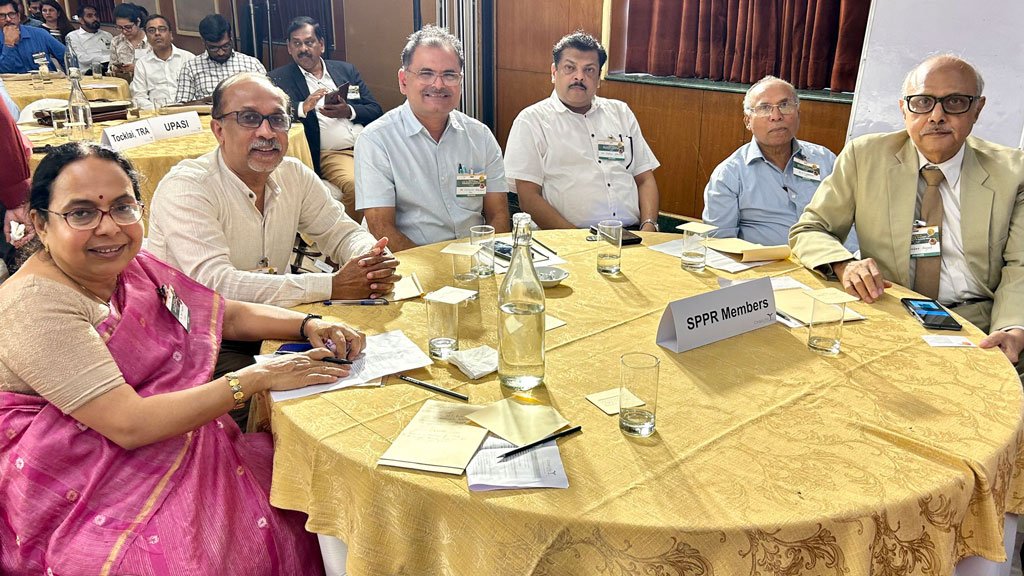
On July 26th, 2024, CropLife India held a workshop urging the Government of India to discourage off-label use of agrochemicals through implementation of crop grouping. Minor Use Foundation Board Member Alan Norden presented on ‘Delivering Solutions for Crop Producers through Crop Grouping’ at the event, and our good friend Dr. Santhosh J. Eapen provided an overview of the event.

Dr. Eapen holds a doctorate in Zoology from Calicut University and has around four decades of experience with ICAR-Indian Institute of Spices Research in spices and plantation crops. He is passionate about spices, nematodes, biological control, bioinformatics, and scholarly publishing.
India’s agricultural sector stands on the brink of transformation with the adoption of crop grouping, a key focus of the recent workshop on “Crop Grouping Principles for Establishment of National MRLs,” held by CropLife India on July 26, 2024. This system promises to streamline pesticide residue regulation, enhance food safety, and facilitate international trade. Despite its
potential, the implementation of crop grouping has faced delays, leaving the sector vulnerable to inconsistencies and missed opportunities.
Crop grouping simplifies the establishment of Maximum Residue Limits (MRLs) by categorizing crops with similar characteristics and using representative crops for residue testing. This method reduces the need for extensive testing across all crops, making the regulatory process more efficient. The workshop highlighted that aligning India’s MRLs with international standards, such as those of Codex Alimentarius, is crucial for ensuring consumer safety and boosting India’s agricultural exports.
Dr. P.K. Singh, Agriculture Commissioner & Chairman of the Registration Committee, Ministry of Agriculture and Farmers’ Welfare, emphasized the complexity of India’s diverse climatic conditions, from tropical to temperate zones, varying rainfall patterns, different soil types, and a wide variety of crops. He noted that these challenges necessitate a holistic approach to implementing crop grouping principles. The diverse agricultural landscape makes it essential to tailor regulations that accommodate India’s unique conditions, ensuring that the crop grouping system is both practical and effective.
Speakers at the workshop stressed the urgent need to adopt these principles, particularly to address the widespread use of off-label pesticides and the lack of label claims for minor crops. The continued delays, as discussed in the 450th RC meeting in August 2023, highlight the challenges in harmonizing pesticide regulations across India’s diverse agricultural landscape.
Fast-tracking crop grouping will streamline the approval process for crop protection products, providing farmers with timely access to effective solutions against pests and diseases. The implementation of these principles will not only protect public health by maintaining safe pesticide residues but also strengthen India’s position in the global market. It is time for decisive action to harness the benefits of crop grouping, ensuring a safer, more competitive agricultural sector for all stakeholders.
For more details, read Dr. Eapen’s blog: https://sjeapen.in/2024/08/02/breaking-the-wait-why-india-mustfast-track-crop-grouping-now/
CropLife India also has a highlight reel of the workshop available on their YouTube channel.