



Stay up to date on Minor Use Foundation research projects, news, events and more! If you missed our last issue, you can read our October 2026 newsletter here.
Protecting the King of Fruits: Durian, Thailand, and the Road to Global Markets
Durian is among Southeast Asia’s most cherished and most valuable crops. Keeping it healthy, and keeping it moving to market, requires science, partnership, and the right tools.
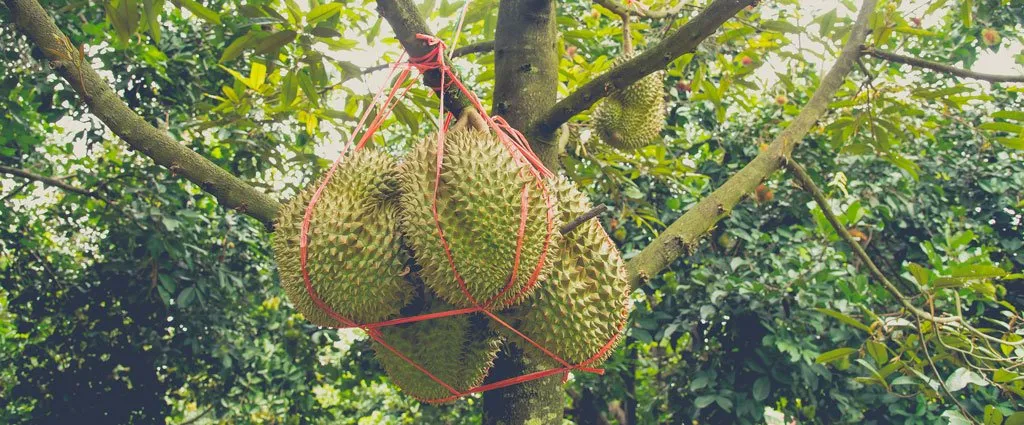
A fruit like no other
Few fruits inspire such devotion. With its spiky shell and unmistakable aroma, durian is revered across Southeast Asia as the King of Fruits. It is shared at family celebrations, offered as a gift, and honored at festivals.
Its appeal now reaches far beyond the region. In 2025, China imported nearly $7.5 billion worth of fresh durian, and Thailand supplied more than half of it. Durian is also nourishing food, rich in fiber, potassium, and vitamin C.
The growers behind the crop
Behind every fruit is a farming family. In 2025, Thai growers harvested more than 1.5 million tonnes of durian from orchards covering roughly half a million acres, and the area of bearing orchards grew by about 11 percent in a single year. In eastern provinces such as Chanthaburi, Rayong, and Trat, many families have replaced rubber trees with durian, investing their land and their future in this crop. Many smaller growers also work together through cooperatives and farmer groups to meet the requirements of export markets.
A crop under pressure
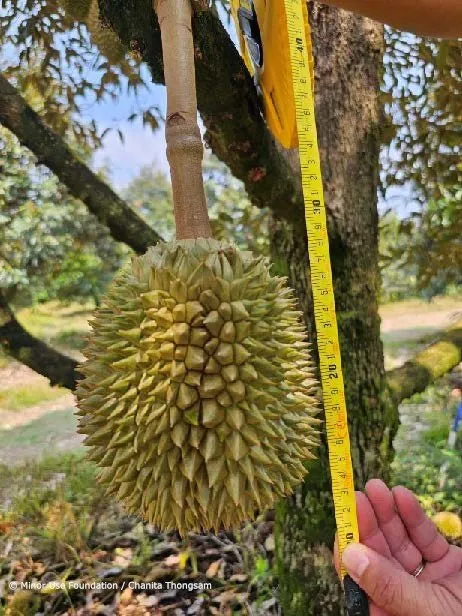
Durian is vulnerable. Phytophthora, a soil-borne disease, attacks roots and trunks and can kill a mature tree, while insect pests can damage the fruit before harvest. Because a new tree takes years to begin bearing fruit, each tree lost is a setback that lasts for years.
To protect their orchards and control these threats, growers need access to modern crop protection tools. To use those tools legally, and to sell their fruit abroad, they also need a Maximum Residue Limit (MRL): an agreed limit for how much residue may safely remain on the fruit. For crops such as durian, the data behind those limits is often missing, because companies tend to focus their research on large-acreage crops. As importing countries tighten food safety checks, gaps like these can put growers’ most important markets at risk.
Our work in Thailand
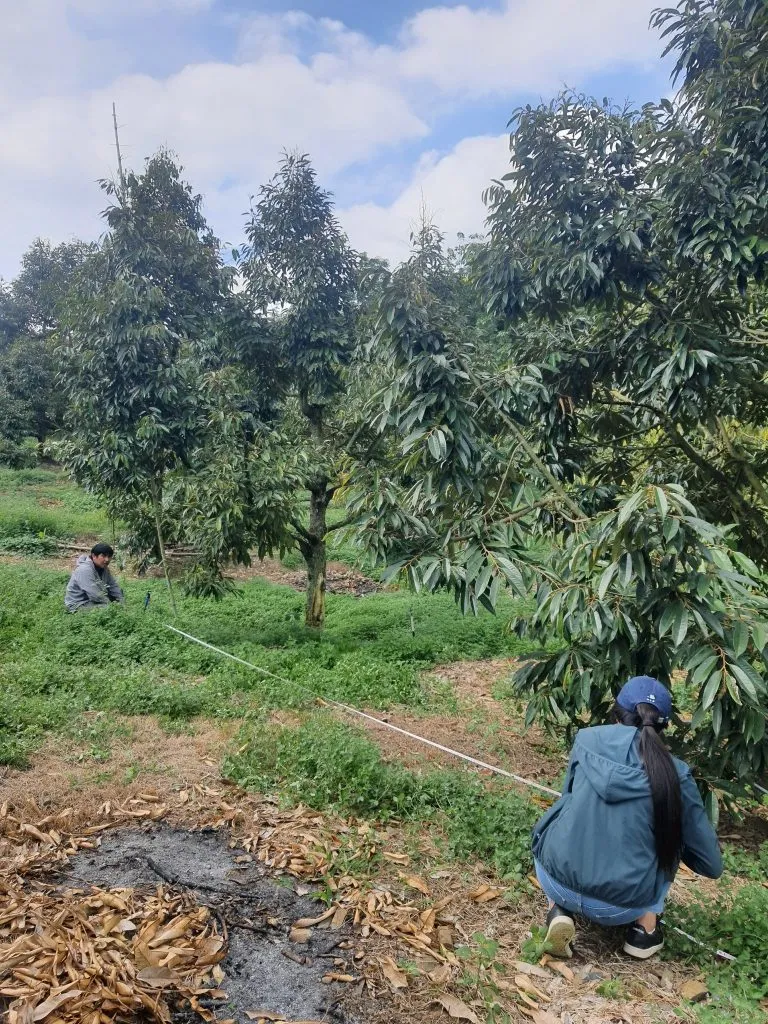
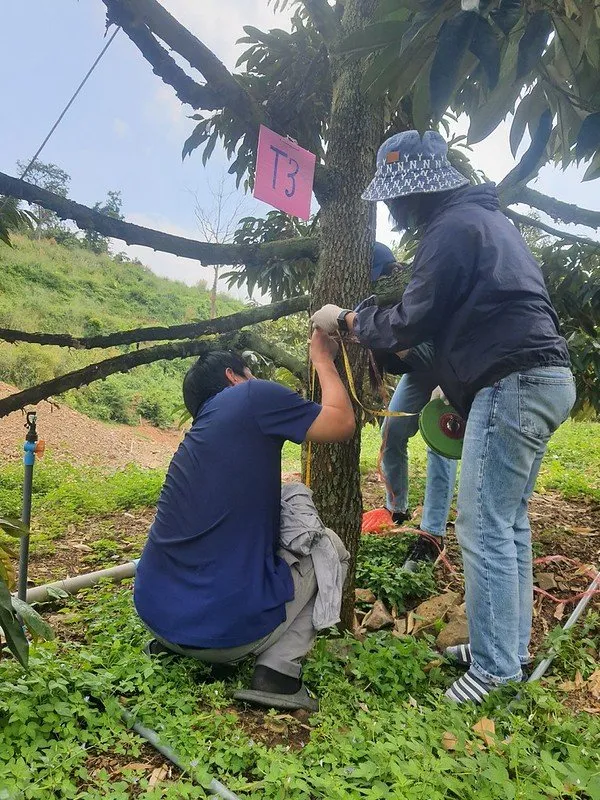
For four years, the Minor Use Foundation has worked alongside Thailand’s Department of Agriculture (DOA) to close these gaps. DOA scientists have conducted field trials on durian farms at several sites, measuring the residues that remain after two crop protection products are applied, one for disease and one for insect pests. The samples are analyzed at a specialized laboratory in Germany, and the results can support international MRLs through Codex, the global food standards body.
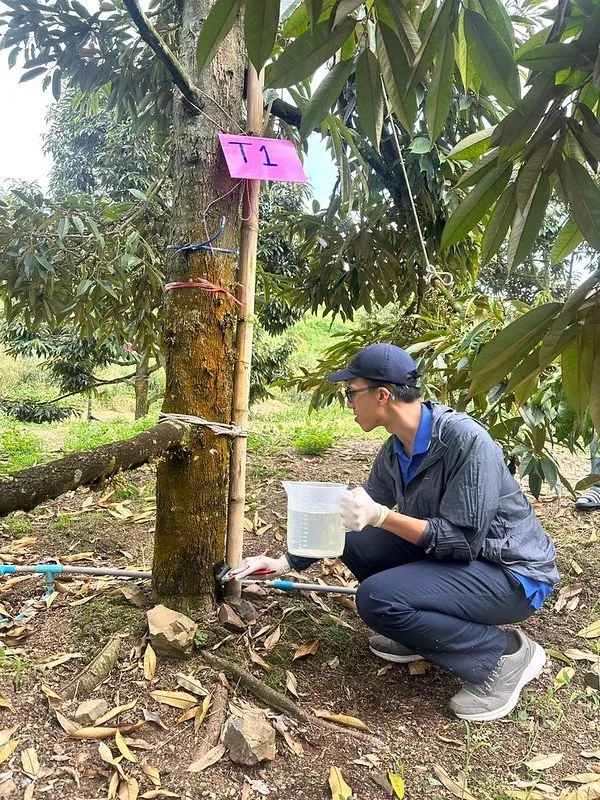
In October, we joined our DOA colleagues to celebrate this progress and to plan the next chapter. Priorities include training in laboratory instrument handling, scientific documentation, and data management under OECD guidelines, so that Thai researchers can continue to generate data that meets international standards.
We are also helping Thai experts navigate the international MRL process, including review by the Joint FAO/WHO Meeting on Pesticide Residues (JMPR), and exploring crop grouping, which allows data from one crop to support limits for similar crops. Our new paper, Addressing MRL Gaps in Tropical Fruits, shows how existing data can help close these gaps more quickly.

From Thailand to ASEAN
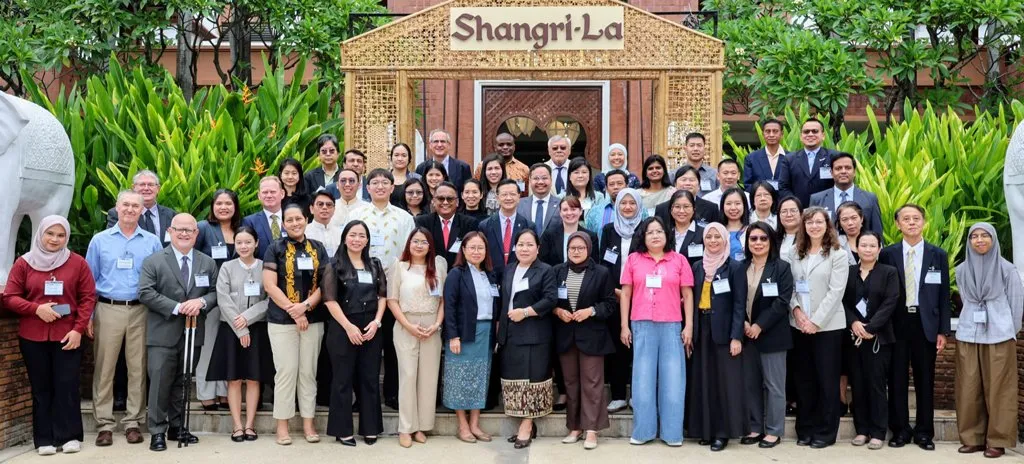
The conversation is now reaching beyond Thailand. In November, experts from across ASEAN gathered in Chiang Mai for a regional meeting to consider how the region’s countries can address minor use challenges together, and whether to establish a regional minor use program. A clear message emerged: a minor use program can strengthen the systems regulators already have and help them fulfill their mandates, rather than adding to their workload.
The bigger picture: What begins on a handful of durian farms in Thailand can help growers across Southeast Asia protect their harvests, sustain their livelihoods, and reach markets around the world.
USEFUL RESOURCES
New Research: Addressing MRL Gaps in Tropical Fruits
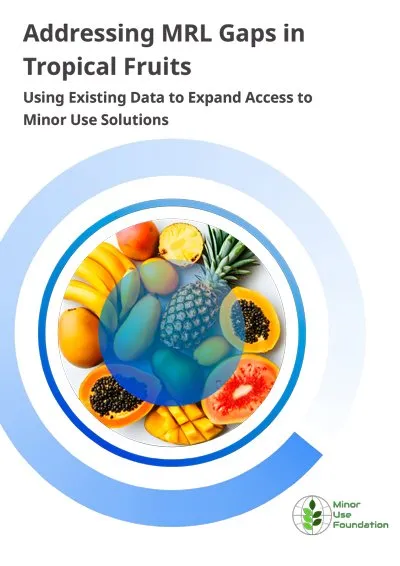
A new Foundation research paper, Addressing MRL Gaps in Tropical Fruits: Using Existing Data to Expand Access to Minor Use Solutions, presents a framework for identifying MRL gaps, mapping existing pesticide registrations and assessing risks to established Codex MRLs. By making better use of existing scientific and regulatory information, stakeholders can identify more efficient pathways to address crop protection gaps and expand opportunities for tropical fruit growers.
MORE NEWS
Protecting Kenya’s Avocado Industry from Persea Mite
Responding quickly to a crop protection challenge can help protect farmers’ livelihoods and preserve valuable export opportunities.
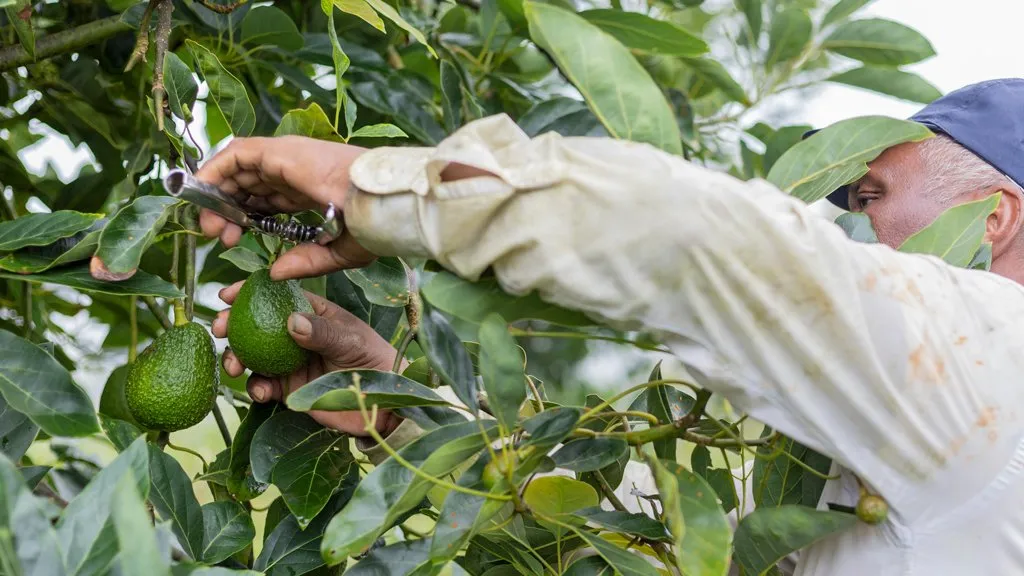
Kenya’s avocado industry is an important source of income for farmers and a growing contributor to agricultural trade. The spread of persea mite, a damaging pest that affects avocado trees, presents a serious challenge to production.
Unfortunately, crop protection options for this pest are limited and farmers are facing crop damage, reduced yields, and lost market opportunities. The challenge is particularly urgent because pest management solutions are not adequately supported by national registrations and internationally recognized residue data.
In steps the Minor Use Foundation.
Recognizing the urgency of the persea mite threat, the Foundation is mobilizing support from the crop protection industry and engaging Kenyan regulatory partners. Seeing a need for training, we quickly set up virtual training for 25 participants from the Kenya Plant Health Inspectorate Service (KEPHIS) and the Pest Control Products Board to build the technical capacity to generate the residue data needed to support pesticide registrations and Codex MRL establishment.
This work brings together the different pieces of the solution: identifying effective crop protection options, engaging potential solution providers, strengthening scientific capacity, and supporting the regulatory processes needed to make solutions available.
Protecting a specialty crop industry requires more than responding to a pest. It requires coordinated action to ensure that farmers have access to effective, properly registered solutions that meet food safety and trade requirements.
The Foundation’s work demonstrates how timely collaboration among industry, regulators and technical experts can help countries respond to emerging challenges.
To learn more, watch this explanatory video.
Strengthening Collaboration with CGIAR Centers – ICRISAT
The Minor Use Foundation continues to expand its engagement with international agricultural research organizations, including the CGIAR network.
Collaboration with the International Crops Research Institute for the Semi-Arid Tropics (ICRISAT) provides an opportunity to connect specialized agricultural research expertise with the regulatory and crop protection challenges facing specialty crop producers.
A recent CGIAR article, “Crop Diversity: The Foundation of Food Security,” explains that genebanks are the practical engine of crop diversity and makes the case for government support. CGIAR genebanks alone hold more than 700,000 samples across 3,000+ plant species and distributed nearly one million samples over the past decade. For minor and specialty crops, this public infrastructure carries immense weight, as these crops rarely attract large commercial investment.
The diversity conserved in genebanks and the regulatory evidence generated for registrations are two indispensable parts of the same chain.
By connecting research institutions with regulators, industry and other partners, the Foundation helps create pathways for scientific knowledge to inform more effective crop protection strategies.
The bigger picture: Stronger research partnerships can help ensure that the needs of specialty crop growers receive the attention and technical support they deserve.
Our Voices: Help Shape the Conversation
The Minor Use Foundation believes that meaningful progress comes from bringing different perspectives to the table.
Through Our Voices, we are inviting members of our global network to share their experiences, expertise and perspectives on the challenges and opportunities facing specialty crop production.
The Foundation’s Global Minor Use Priority Setting 2025 identified thrips, Lepidoptera, fruit flies, anthracnose and Phytophthora among the main challenges across crop groups. If your work touches any of these, your experience can help inform the conversation and highlight opportunities for collaboration.
Send us a proposed topic and a short paragraph about your idea. Offer your thoughts and help amplify the importance of specialty crops and the people who depend on them.
Our Voices Call for Contributions
GIVING TUESDAY | DECEMBER 1
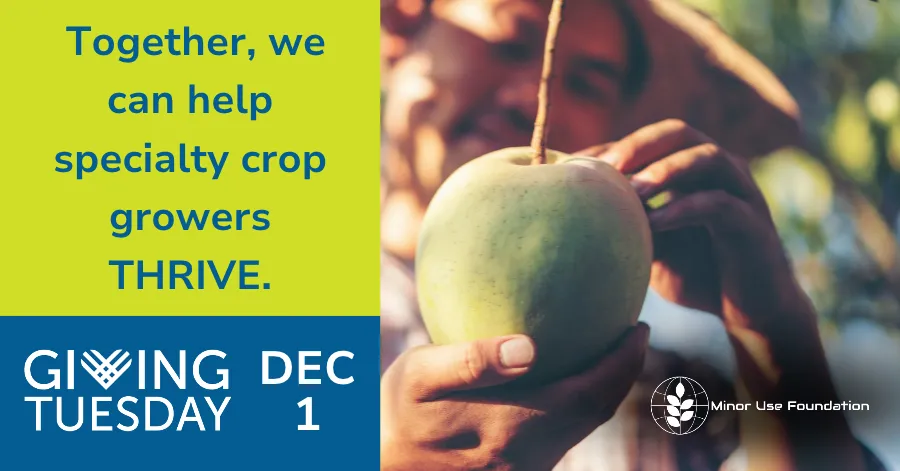
Fruits, vegetables, nuts and spices are essential to nutritious diets, agricultural diversity and rural economies. Yet farmers growing these crops often lack access to the crop protection solutions they need.
The Minor Use Foundation is working to change that. Through scientific research, training and international partnerships, we help countries develop the capacity to address crop protection gaps and expand access to safe, effective solutions.
This Giving Tuesday, help us continue this work. Your support helps connect the expertise, resources, and partnerships needed to protect specialty crops, strengthen farmer livelihoods and build more resilient agricultural systems.
Together, we can help specialty crop growers THRIVE.
Thank you for being part of our global community!
Want to collaborate?
We are building a global network of experts to support crop protection initiatives for specialty crops across the globe. By joining this effort, you can contribute as a volunteer or consultant, helping to address critical crop protection challenges. Participants will have opportunities to provide virtual training, serve as expert speakers, and offer guidance on various crop protection initiatives led by the Minor Use Foundation.
Help us develop a diverse and impactful network. Sign up for our Crop Protection Expert Network Program today!
Stay Updated – Follow Us
Stay in the loop with the latest activities, research updates and more from the Minor Use Foundation. Don’t miss out on valuable insights and updates – follow our LinkedIn page!
You can support the Foundation’s mission through a donation.
All contributions, no matter the size, help us fund critical research, outreach, and educational programs.
Copyright © 2026 Minor Use Foundation, Inc., All rights reserved.