



Stay up to date on Minor Use Foundation research projects, news, events and more!
Building Africa’s Voice in Food Safety Standards
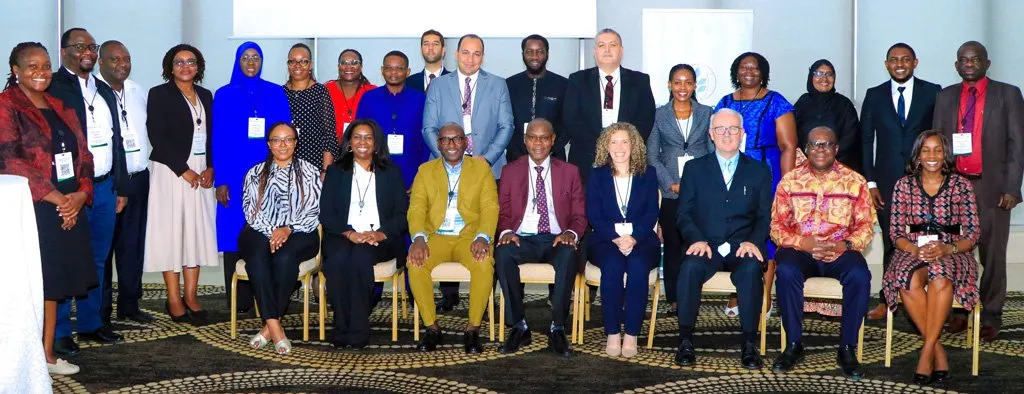
In September, the Minor Use Foundation partnered with the African Union Inter-African Bureau for Animal Resources (AU-IBAR), and the Codex Coordinating Committee for Africa (CCAFRICA) to bring delegates from 12 African countries together in Nairobi to prepare for the 19th session of the Codex Committee on Contaminants in Food (CCCF19). Regulators discussed food risks such as aflatoxins in maize and groundnuts, tropane alkaloids in grain, and recycled plastic use in food packaging.
Delegates ranked their countries’ top issues, then spent time discussing their draft positions and looking at the data to assess what they need from international standards. They also identified data and laboratory capacity needs and explored how stronger regional coordination can help ensure African priorities are represented in Codex discussions.
Because many African countries base national food rules on Codex standards, this work can lead to limits that protect consumers while remaining achievable for local producers and stronger testing that keeps contaminated food off people’s plates.
The result? Safer food on the continent and a stronger African voice in the standards that influence food safety and trade.
Learn more about the workshop.
USEFUL RESOURCES
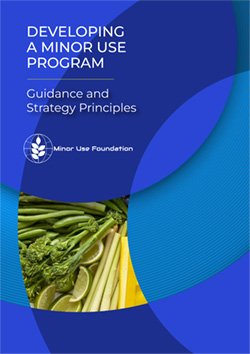
New! Developing a Minor Use Program: Guidance and Strategy Principles
Discover practical strategies for establishing effective minor use programs, even in resource-limited regulatory environments. This guidance shows countries how to leverage international data, regulatory efficiencies and regional collaboration to expand access to crop protection tools, strengthen agricultural self-sufficiency and improve global market competitiveness.
Download the Guidance Document
SOPs for Field Research
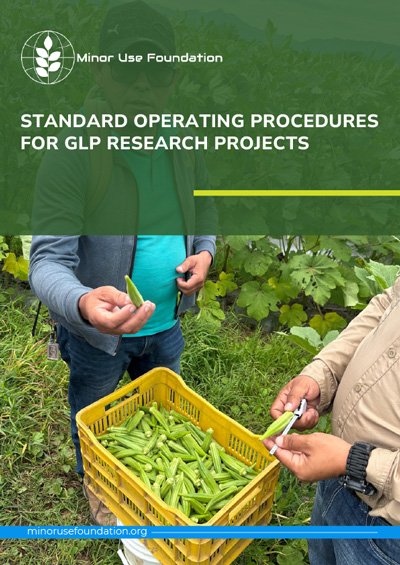
Generate reliable, high-quality pesticide residue data with practical, expert-developed Standard Operating Procedures (SOPs) for every stage of field research. Aligned with OECD Good Laboratory Practices (GLP) guidelines, these resources support consistent, scientifically rigorous studies for regulatory submissions and international standards, including Codex MRLs.
Download the SOPs individually or as a complete set in English or Spanish.
MORE NEWS
Emerging Markets Program: Opening Doors to Global Markets for Specialty Crops
New USDA-funded initiative aims to help Latin American countries expand market access through science-based pesticide residue standards.
For growers of fruits, vegetables, nuts, herbs and spices, crop protection tools can make or break a harvest. Yet even well-protected crops can be shut out of markets by complex or inconsistent pesticide residue rules.
The Minor Use Foundation is tackling this through a new agreement with the U.S. Department of Agriculture to support its Emerging Markets Program, a 2026-2027 initiative focused on Ecuador, Colombia, Costa Rica, Guatemala, Panama, Peru and neighboring countries.
The program will help countries adopt science-based approaches to setting maximum residue limits (MRLs). A central focus is crop grouping, which lets data from representative crops support MRLs for related crops. This can reduce the need for separate data on every crop — a practical fix for specialty crops that often lack the data needed for registration.
Through coordinated field trials, lab analysis and work with regulators, participating countries will evaluate the scientific basis for group MRLs. The project will also produce practical guidance for national policy.
Why it matters: More efficient, science-based regulation can give farmers more crop protection tools, support diverse and nutritious food production, and help agricultural businesses compete internationally. By building trust among regulators, researchers and policymakers, MUF is laying the groundwork for more consistent standards — and more opportunities for specialty crop producers across the Americas.
Building Regional Expertise to Generate Reliable Residue Data
Hands-on training in Mexico strengthens the scientific capacity needed to support specialty crop protection and market access.
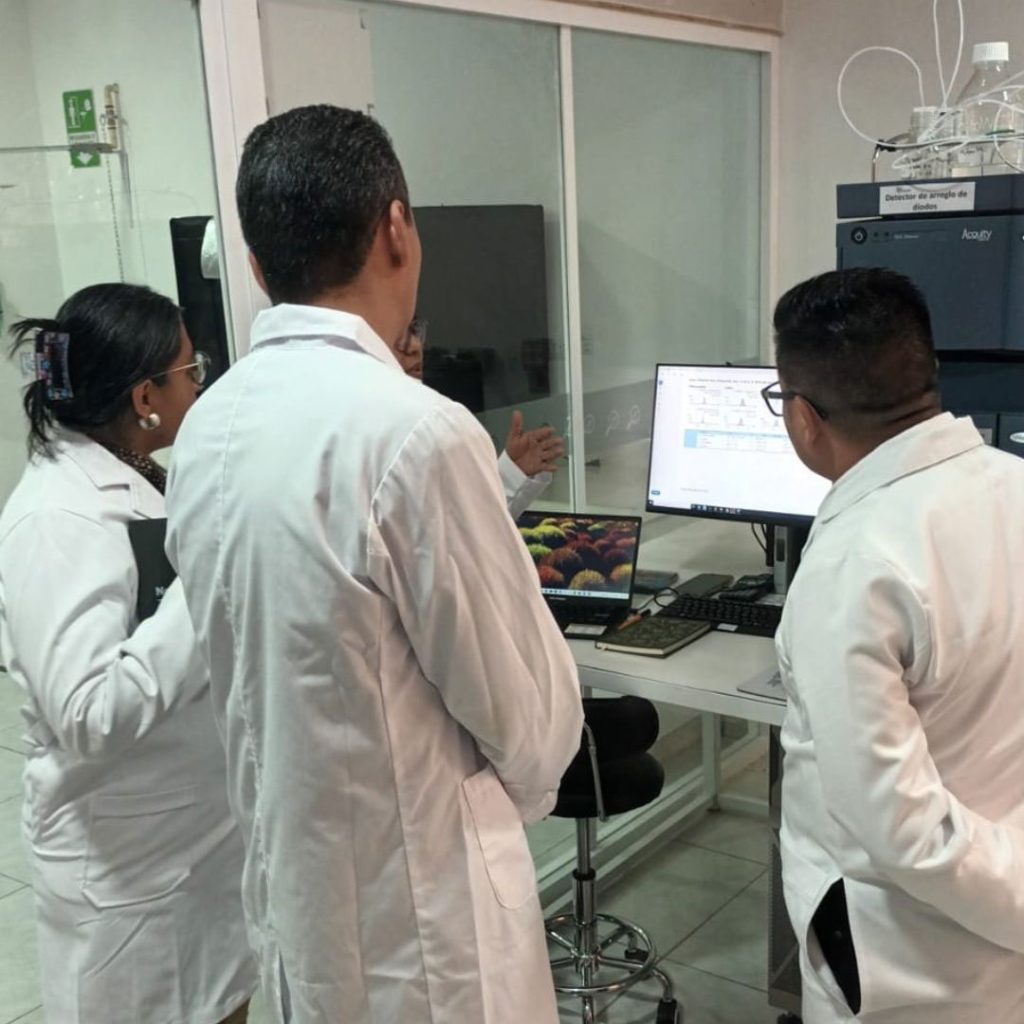
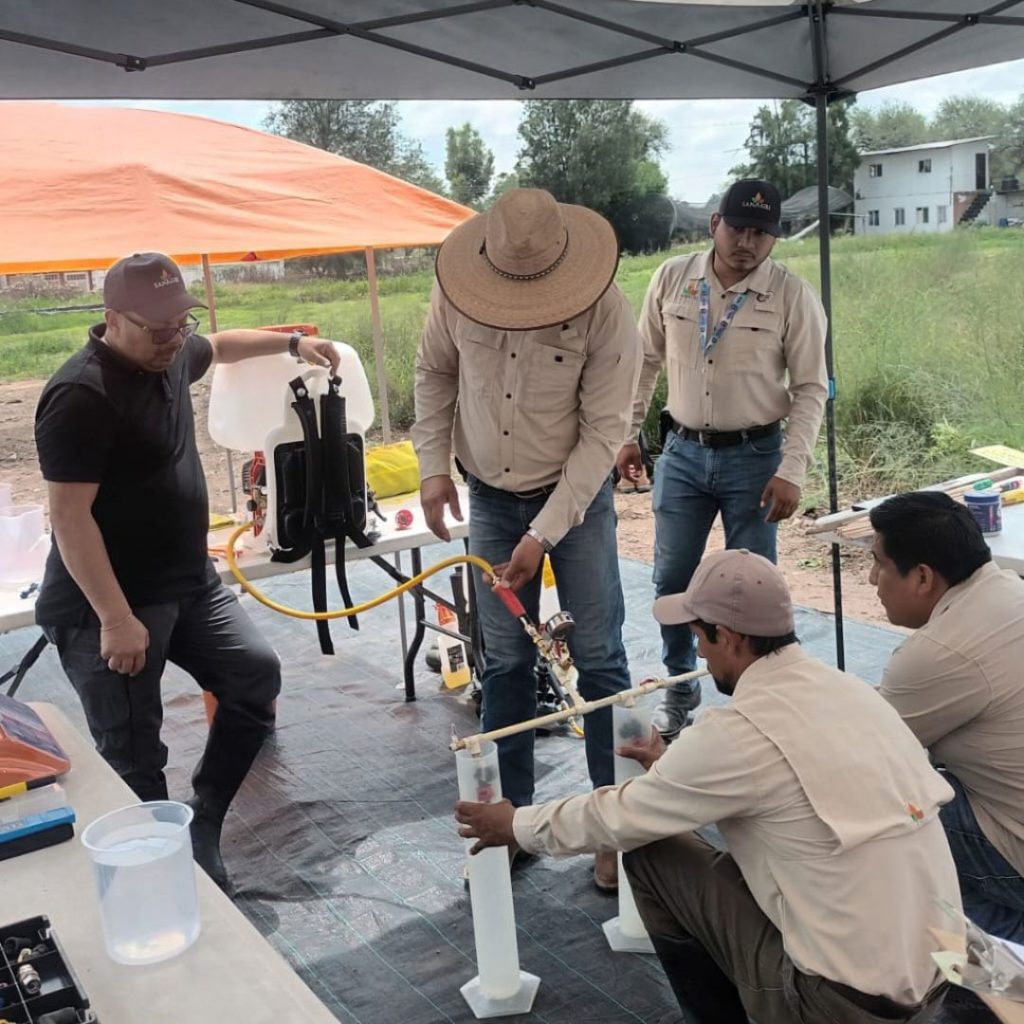
Pesticide residue limits that protect consumers and enable trade depend on reliable science. Generating that data takes specialized expertise, rigorous procedures and close coordination between field and lab.
In September 2026, the Minor Use Foundation and SANAGRI S.A. de C.V. delivered six days of intensive, hands-on training in supervised field trials in Aguascalientes, Mexico.
Participants worked through every stage of a pesticide residue study under Good Laboratory Practices (GLP), from site selection and regulatory requirements to equipment calibration, sampling and chain of custody, plus lab sample preparation, method validation, reporting, inspections and audits.
Teams learn not just each task, but how every step affects the reliability of the final data — the evidence regulators need to set MRLs and evaluate pesticide uses on specialty crops.
The training builds on SANAGRI’s participation in the Foundation’s 2024, 2025 and 2026 Centers of Excellence, organized with the Inter-American Institute for Cooperation on Agriculture (IICA) and the USDA Foreign Agricultural Service.
Why it matters: Stronger regional research capacity means more data for minor-use registrations, helping fill crop protection gaps and open domestic and export markets. By investing in local expertise and research partnerships, the Foundation is building a network of institutions that can generate reliable residue data across Latin America and the Caribbean.
Turning Agricultural Research into Practical Solutions for Farmers
A new partnership with CRISP will help connect specialty crop protection research with the people and communities who can put it to use.
Agricultural research only makes a difference when it reaches the people who need it. Farmers and rural communities rely on extension services, practical training and trusted information to turn research into everyday decisions.
That is the opportunity behind a new partnership between the Minor Use Foundation and the Centre for Research on Innovation and Science Policy (CRISP).
CRISP works across agricultural research, policy, capacity development and extension. The Foundation brings technical expertise in specialty crop protection. Together, they aim to strengthen the links between research, agricultural advisers and farmers.
Their collaboration will focus on training extension officers in safe pesticide use, developing practical resources such as standard operating procedures and case studies, sharing regional expertise and identifying new projects.
The partnership can also tap into CRISP’s existing networks: it hosts the Agricultural Extension in South Asia (AESA) network and leads knowledge management for the Asia-Pacific Islands Rural Advisory Services Network (APIRAS).
Why it matters: Practical, science-based guidance can help advisers promote safer pesticide use and better crop protection decisions. Over time, closer ties between researchers, extension staff and farmers can turn scientific advances into real benefits for farming communities.
For the Foundation, the partnership extends a core part of its mission: not only helping generate the science on specialty crop protection, but making sure it reaches the people who can use it.
Want to collaborate?
We are building a global network of experts to support crop protection initiatives for specialty crops across the globe. By joining this effort, you can contribute as a volunteer or consultant, helping to address critical crop protection challenges. Participants will have opportunities to provide virtual training, serve as expert speakers, and offer guidance on various crop protection initiatives led by the Minor Use Foundation.
Help us develop a diverse and impactful network. Sign up for our Crop Protection Expert Network Program today!
Stay Updated – Follow Us
Stay in the loop with the latest activities, research updates and more from the Minor Use Foundation. Don’t miss out on valuable insights and updates – follow our LinkedIn page!
You can support the Foundation’s mission through a donation.
All contributions, no matter the size, help us fund critical research, outreach, and educational programs.
Copyright © 2026 Minor Use Foundation, Inc., All rights reserved.