



By Rachel Tarkington
Regulatory Science Intern for the Minor Use Foundation July – December 2025
North Carolia State University Graduate Crop and Soil Science: Crop Biotechnology
When thinking of agriculture, many people immediately recognize row crops since these crops receive the majority of commercialization, research investment, and industry support. Due to the industry emphasis on large-scale row crops, an important group of crops is often overlooked: minor use crops. These are crops grown at a smaller scale and typically produced in specific locations. Despite the limited scope, these crops are extremely valuable because they enhance nutrition and strengthen biodiversity in cropping systems.
Minor use crops are commonly overlooked when it comes to biotechnology and new agricultural technology advancements. This is largely because there is limited funding and industry support for research, improved breeding, and genetic advancements in minor use crops. This leads to the question:
How can we improve minor use crops using today’s science and technology?
A Need for R&D
One of the greatest challenges for the minor use crop industry is the lack of research and development. There is very little financial incentive for large agricultural companies to invest in crops only grown in specific parts of the world. With slower technological advancement, minor use crops lack the same tools to combat environmental pressures, diseases, and pests. Farmers often struggle with restricted access to improved varieties, inputs, storage, processing, and distribution. These factors collectively impact the potential of these crops to contribute to food security.
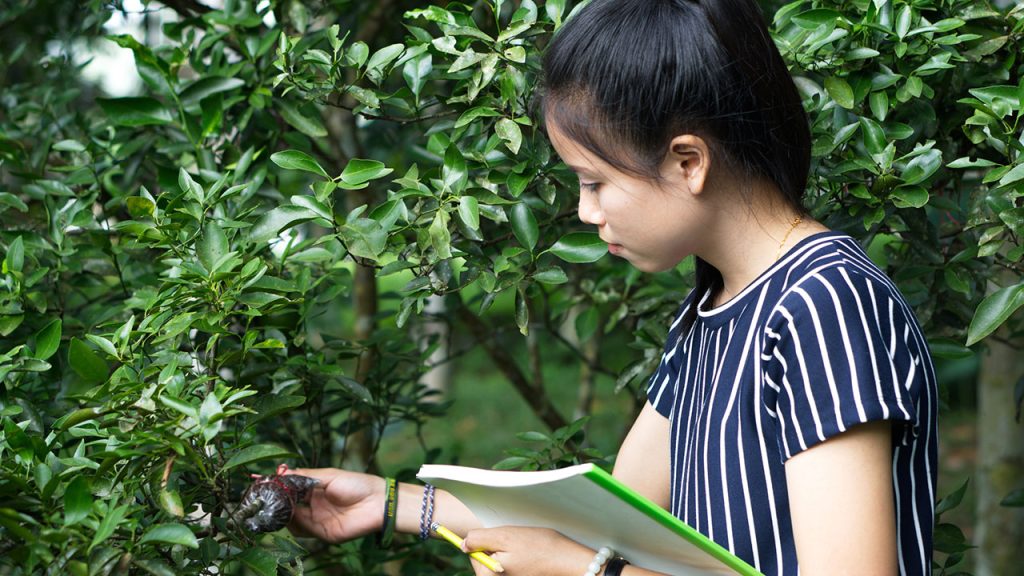
The Powerful Tools of Biotechnology
Biotechnology provides powerful tools to tackle many challenges faced by minor use crops. Genetic improvements can make crops more resistant to major pests and diseases. This can reduce the need for chemical pesticide sprays, which is beneficial for the environment. Other targets for genetic modification improve resilience to drought and other climate stresses. This helps ensure stable yields in diverse environmental conditions.
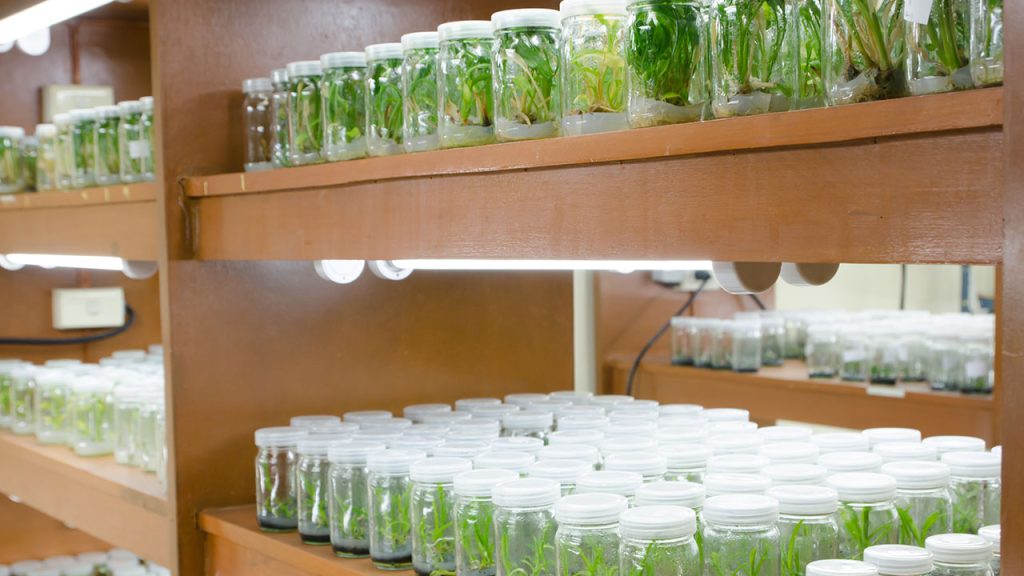
Desirable traits such as longer shelf-life can help reduce food waste, enhance storage efficiency, and reduce spoilage. Biotechnology has been proven to help achieve higher yields without needing to expand farmland, which is necessary for the growing world population. Higher yields help improve food security around the world, providing a benefit for both growers and consumers.
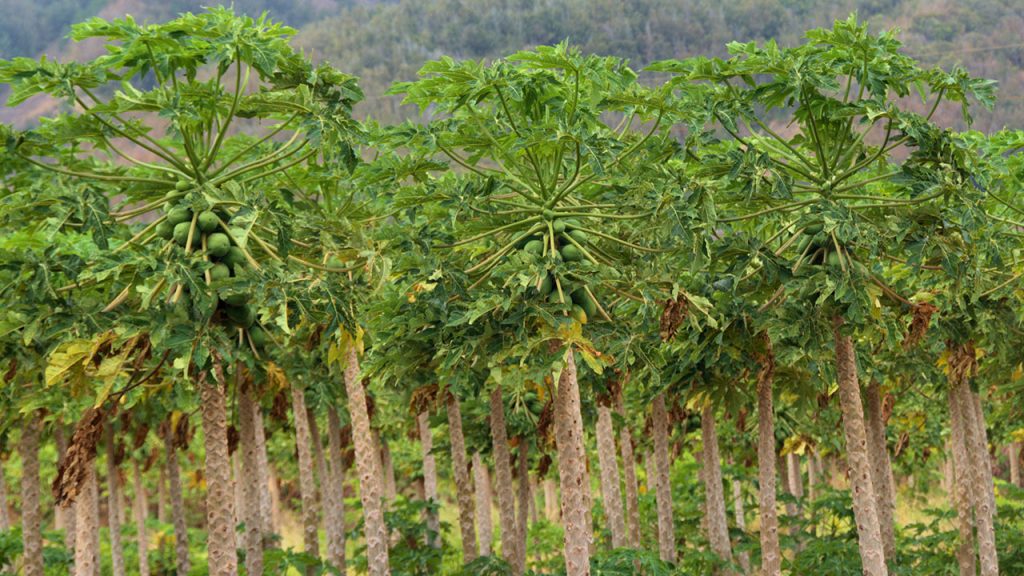
Saving Hawaii’s Papaya Crop
In the 1990s, Hawaii’s papaya farmers were on the verge of losing everything. A devastating virus called papaya ringspot (PRSV) decreased production by 50% within six years. The tools available at the time did not provide resistance to PRSV. In an effort to fight the disease, scientists developed a transgenic papaya variety called SunUp which provided resistance to the virus. By inserting a viral coat protein gene from PRSV into the genome of the existing Sunset papaya variety, scientists enabled the new plant to recognize and block infection—functioning much like a vaccine.
This allowed the papaya industry in Hawaii to gain a second chance.
Fighting HLB in Citrus
In the 2000s, citrus growers in Florida and around the world faced a disease called Huanglongbing, or HLB. This is more commonly known as citrus greening. HLB is spread by a tiny insect called the Asian citrus psyllid. This disease causes trees to produce bitter, abnormally shaped fruit and eventually kills the tree. It didn’t take long for the impact to become devastating. In Florida alone, citrus production dropped over 70% in a few years.
At first, growers turned to pesticides, antibiotics, and nutrient treatments to slow the spread. These helped a little, but none of them offered a long-term fix. That’s when scientists, farmers, and policymakers started working together to find better solutions. One of the most promising ideas was to create genetically modified citrus trees capable of resisting the disease.
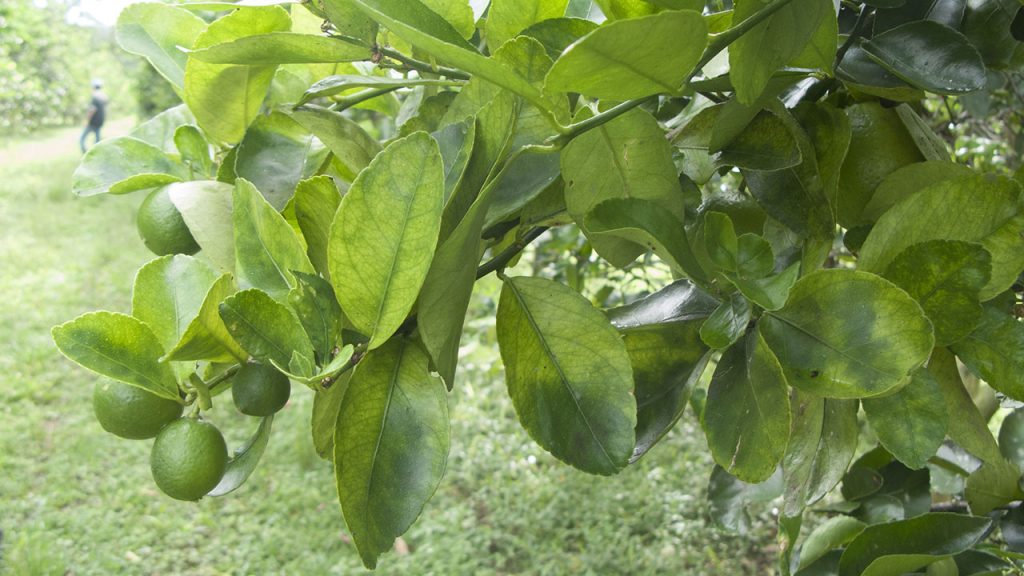
Researchers experimented with inserting genes from other plants and from the bacteria causing HLB to help citrus trees fight back.
In 2024, these efforts were showcased at the Citrus Greening Solutions event, hosted by the Minor Use Foundation. Experts from around the world shared progress on emerging new tools like gene editing, RNA interference, and biological controls. The fight against citrus greening isn’t over, but the progress to date offers real hope. These breakthroughs in genetic innovation could give the citrus industry a a viable path to healthy, productive trees.
Stories such as these demonstrate why we need to support biotech solutions in other specialty crops before it’s too late. Education, research funding, and technology adoption are crucial for the future of minor use cropping systems. For a food system that is sustainable and ready for the future, we must invest in the science and innovation that can get us there.