


Supporting growers of nutritious specialty crops - fruits, vegetables, nuts and spices
The Minor Use Foundation launched a global effort to understand the most pressing needs in minor use crop protection at the beginning of 2025.
The priority setting process occurs every three years as a strategic, data-driven approach designed to identify and address the most critical needs in minor use crop protection globally. It brings together input from growers, researchers, regulators, and industry stakeholders to guide resource allocation and project implementation across multiple regions and cropping systems.
The structured effort not only supports minor use pesticide registration but also strengthens global harmonization and sustainable agricultural practices.
Open Call for Nominations
As the first phase of the priority setting process, the Foundation issued an open global call for nominations, inviting stakeholders to submit crop-pest combinations requiring regulatory or research support. This open call is critical to ensuring a bottom-up, demand-driven process that reflects real-world pest management challenges.
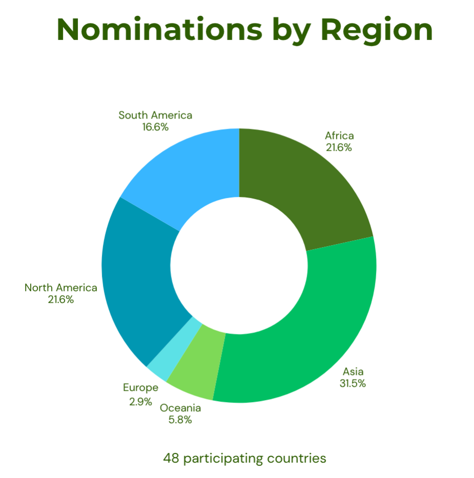
The open call yielded an impressive response — approximately 5,000 nominations were received from diverse regions and cropping systems, reflecting the continued global demand for support in addressing pest and disease pressures on specialty and minor crops.
Categorizing Needs: Six Types of Requests
To facilitate review and prioritization, nominations were classified into six key categories, each corresponding to a different regulatory or implementation pathway:
- New Solutions – Identifying novel crop protection technologies or Integrated Pest Management (IPM) strategies for emerging or resistant pest challenges.
- Codex MRL Requests – Supporting submissions to the Joint Meeting on Pesticide Residues (JMPR) to obtain international Codex MRLs, enabling trade and regulatory alignment.
- Periodic Review – Addressing data gaps and compliance needs for re-evaluation of older chemical uses under evolving regulatory frameworks.
- Local Registration – Facilitating the national registration of crop protection products through data generation and regulatory support.
- Special Projects – Enabling bespoke initiatives for high-impact or under-represented issues in specialty crops requiring cross-cutting expertise.
- iMRL Requests – Addressing MRL requirements for countries not covered by Codex, supporting international market access and food safety.
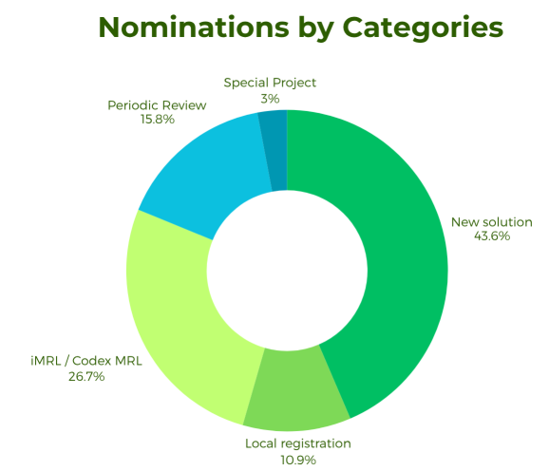
These categories help the Foundation understand what kind of action is needed and where it should be focused.
Industry Input
The Foundation collaborated with registrants and industry partners to collect information on crop protection or biopesticide solutions to the pest and disease burdens specialty crops growers are currently facing. The input from industry on crop protection solutions allows the Foundation to identify synergies between grower needs and industry pipeline/registration strategies to come up with potential projects.
Analyzing the Data
The Foundation conducted comprehensive data analysis of the submitted nominations to identify high-frequency pest-crop combinations, regional trends, and priority areas for intervention. The analysis included clustering similar requests and quantifying the needs by region and crop type.
Beyond frequency and geographic spread, the Foundation applied a multi-criteria evaluation framework to identify projects with the highest potential impact. In addition to alignment with the six categories noted above, the following strategic outcomes were assessed:
- Trade benefits – Will the project facilitate market access, harmonize MRLs, or reduce trade barriers?
- Food security – Will the project improve access to effective pest control tools that protect crop yield and reduce post-harvest losses?
- Environmental impacts – Will the project reduce reliance on high-risk products, promote IPM, or contribute to climate-smart agriculture?
This analysis helps us identify the most requested pest-crop combinations and determine where global efforts could have the biggest impact.
Validating the Priorities
Following data analysis, the emerging priorities underwent validation through expert consultation with the Tropical Fruits Liaison Team, the MUF Board and the advisory council, composed of global and regional specialists, to ensure that the needs are appropriately integrated into the final priority list that aligns with MUF’s mandates and partners’ interests.
The resulting priorities then go through another validation step of regional dialogues with stakeholders as a final check to confirm the importance and ensure the Foundation’s work will make a significant impact.
The final priorities and work agenda of the Foundation will be presented once all regional dialogues are complete.
Subscribe to Stay Informed!
Please subscribe to our email list. We’ll keep you informed of important dates, registration, agendas, and more.